Skip to content
BarWeight
Tools

Barbell weight calculator

Short answer

Enter your target and this barbell weight calculator gives you the plates for each side. The bar counts toward the total: a 45 lb bar plus one 45 per side is 135 lb.

Units
lb

Bar alone: 45 lb

225lb

Exactly loadable

90lb

Plates per side

45lb

The bar itself

Load this on each side

  • 2×45 lb

Heaviest plate goes on first, against the collar.

225 LB
Per side: 2 × 45 lb. Bar: 45 lb.

Gear that fits the math

Plates that actually build these numbers

The math above assumes you own the plates. If you are short a pair, these are the sets we have spec'd — every figure copied from the listing, no prices.

BarWeight is a participant in the Amazon Services LLC Associates Program. We earn a commission from qualifying purchases made through links on this page, at no extra cost to you. Full disclosure.

If you drop the bar

PlatesCAP2 in Olympic
Bore
2 in Olympic
Set Weight
100 to 370 lb depending on option
Type
Bumper plates
Optional
Storage rack

Best for: Deadlifting and dropping the bar without wrecking the floor.

Skip if: Space is tight. Bumpers are thicker than iron, so fewer fit on the sleeve.

Check these yourself before ordering

  • — Which set size you are ordering — the listing runs 100 to 370 lb
  • — Whether the storage rack is included in your option
  • — Total loaded sleeve length before you buy the heavy set
View on Amazon

Specs read from the listing on 2026-07-24. Listings change — confirm the current spec and option before you order.
If you never drop the bar

PlatesAmazon Basics2 in Olympic
Bore
2 in Olympic
Material
Cast iron

Best for: Iron plates for a rack-and-bar gym where nothing gets dropped.

Skip if: You deadlift on a floor you care about. Iron is not a bumper.

Check these yourself before ordering

  • — Which weights the option you selected actually contains
  • — Whether they are sold singly or in pairs
  • — Plate thickness against your sleeve length — see the bar data on this site
View on Amazon

Specs read from the listing on 2026-07-24. Listings change — confirm the current spec and option before you order.

PlatesCAP Barbell160 to 370 lb depending on option
Set Weight
160 to 370 lb depending on option
Includes
7 ft barbell plus bumper plates

Best for: Starting from nothing. Bar and plates in one order, which removes the most common beginner mistake of buying a bar that does not match the plates.

Skip if: You already own a bar you like.

Check these yourself before ordering

  • — Which option you selected — set weight varies from 160 to 370 lb
  • — The bar spec, since the title does not state its weight or shaft diameter
  • — Whether collars are included
View on Amazon

Specs read from the listing on 2026-07-24. Listings change — confirm the current spec and option before you order.

How the math works

There is one equation and it is not complicated. Take your target total, subtract the bar, split what is left in half. That half is what goes on each side.

plates per side = (target − bar) / 2

Run 225 lb through it on a 45 lb bar: 225 minus 45 is 180, halved is 90 per side. Ninety pounds is two 45s. That is why 225 is the number every gym rat knows — it is the first weight that looks like two big plates a side.

The calculator fills each side heaviest plate first, which is both how you actually load a bar and how you get the fewest plates on the sleeve. It only uses plates in pairs, because a bar loaded unevenly is a bar that dumps.

Bar weight is not optional

The single most common plate-math mistake is forgetting the bar. Four 45s on the sleeves is 180 lb of plate, but the bar is 225 lb loaded. Every readout on this page shows the bar weight on its own so the number never surprises you.

The plates the calculator is working with

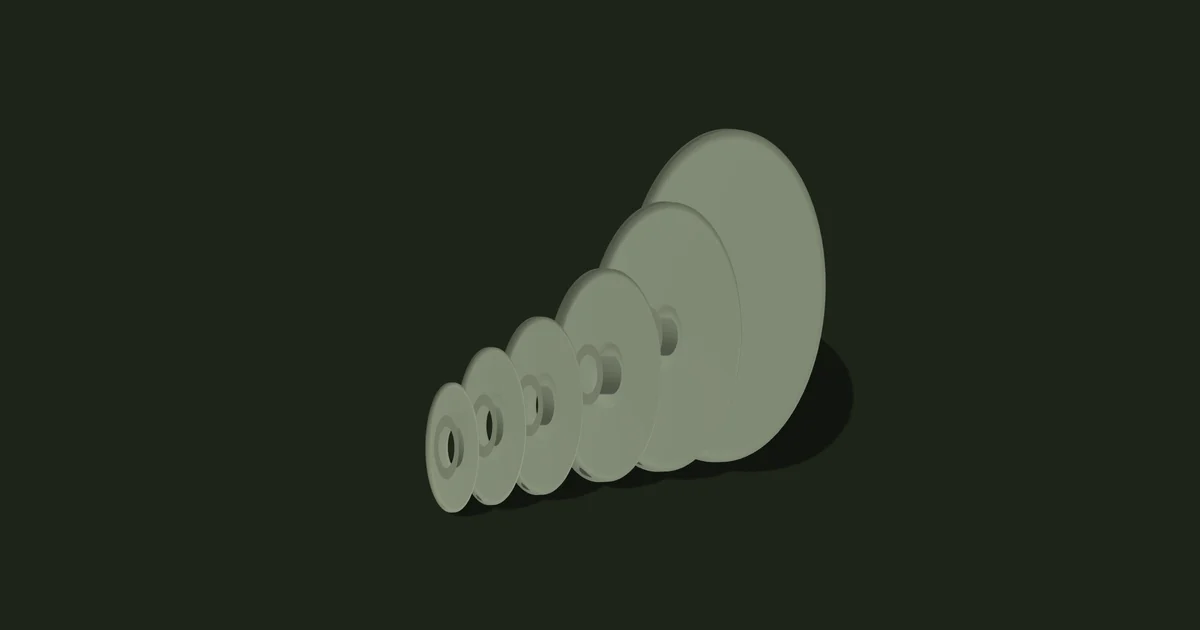
Drawn at their published diameters and thicknesses. Note the 45 and the 35: identical 1.3 in thickness, different diameters. That is why a sleeve fills up faster than you expect.

Illustration of cast iron weight plates stood in a row from 45 pounds down to 2.5 pounds, showing how diameter changes with weight

Watch a bar load up to 135, 225 and 315

The three numbers everyone hits first, built a pair of plates at a time. The bar is 45 lb before anything goes on it, and every plate you add goes on twice — once per sleeve. That is the whole of plate math.

Our own render, modelled to the IPF bar spec and the published plate spec table.An original 3D animation showing how the three most common barbell loads are built. A 45 lb bar starts empty; a 45 lb plate slides onto each sleeve to make 135 lb, a second pair makes 225 lb, and a third pair makes 315 lb. The running total and the plates-per-side count are shown throughout. This is an illustration of a class of equipment, not footage of a specific product.Original animation by BarWeight — an illustration of this class of equipment, not footage of a specific product, and not a demonstration of how to perform a lift.

Common loads on a 45 lb bar

Every row below was produced by the same solver that powers the calculator above. Plate counts are per side.

Plate loading for common barbell weights on a 45 lb bar
TotalPer sidePlates per side
95 lb25 lb1 x 25
115 lb35 lb1 x 35
135 lb45 lb1 x 45
155 lb55 lb1 x 45 + 1 x 10
185 lb70 lb1 x 45 + 1 x 25
205 lb80 lb1 x 45 + 1 x 35
225 lb90 lb2 x 45
245 lb100 lb2 x 45 + 1 x 10
275 lb115 lb2 x 45 + 1 x 25
315 lb135 lb3 x 45
365 lb160 lb3 x 45 + 1 x 25
405 lb180 lb4 x 45
495 lb225 lb5 x 45

When a weight is not loadable

Plates come in pairs, so the bar moves in double-the-plate increments. With a standard pound set the smallest plate is 2.5 lb, which means the smallest jump you can make is 5 lb. Ask for 137 lb and there is no combination that builds it.

Most calculators round silently and hand you 135 as if that is what you asked for. This one tells you: closest is 135, you are 2 lb short. If you need finer jumps than that, the answer is fractional plates — 1.25 lb and 0.5 lb pairs — which get you 2.5 lb and 1 lb increments.

Kilo sets are finer out of the box. A 1.25 kg change plate gives a 2.5 kg jump, which is about 5.5 lb, and IWF competition sets go smaller still.

Related tools

Equipment by category

Looking for the gear itself?

Every piece of equipment we have spec’d, split by what it is. Each page compares the same published numbers side by side — no prices, no ratings, nothing we pretend to have tested.

Questions people actually ask

How much does a barbell weigh by itself?

The standard American Olympic bar is a nominal 45 lb. A women’s Olympic bar is 35 lb. IWF competition bars are 20 kg for men (44.09 lb) and 15 kg for women (33.07 lb). Technique bars run 15 lb, 25 lb, or 10 kg.

Do I count the bar in the total weight?

Yes. When a lifter says they squatted 225, that includes the bar. This calculator always shows the bar weight separately so you can see both numbers.

Why does it say my weight is not loadable?

Plates go on in pairs, so every jump is double the plate. With a standard pound set the smallest plate is 2.5 lb, which makes 5 lb the smallest possible jump. A number like 137 lb cannot be built, so the calculator loads 135 and tells you it is 2 lb short instead of quietly rounding.

What order do the plates go on?

Heaviest first, against the collar, working outward to the lightest. That keeps the load close to the sleeve shoulder and makes it obvious at a glance what is on the bar.

Does this work with kilo plates?

Yes. Switch the units toggle to kilos and the calculator uses the IWF disc set (25, 20, 15, 10, 5, 2.5 and 1.25 kg) with a 20 kg or 15 kg bar.