Strength standards from 587,379 real lifters
Short answer
Squat, bench and deadlift percentiles computed from 587,379 unique raw competition lifters. These describe people who entered a powerlifting meet — not the general population, and not targets.
Read this before you read a number
Every figure on this page is a percentile among people who entered a sanctioned powerlifting meet. That is a self-selected group that already trains, already competes, and already owns a belt.
So the row labelled “beginner” is the 5th percentile of competitors, not the 5th percentile of adults. It sits well above an untrained person off the street. If you compare yourself to it after three months of training and come away discouraged, you have compared yourself to the wrong population.
These are not targets. Nobody decided these are numbers you should be lifting. They describe what a competing population actually lifted, nothing more. Nothing here is medical advice or a judgement about what is safe for you to attempt.
How these were computed
The source is the OpenPowerlifting bulk dataset, release 2026-07-18. All competition data in it is released into the public domain by the OpenPowerlifting project, which is why we can compute from the raw meet results rather than reprinting somebody else’s copyrighted standards table.
The method, so you can reproduce it:
- Filter to Equipment = Raw. Belt and sleeves permitted; no suits, no wraps.
- Take each lifter’s single best competition result per lift, so a lifter with thirty meets counts once and does not drag the distribution around.
- Bucket by sex and bodyweight, then take percentiles inside each bucket.
- Drop any bucket with fewer than 400 lifters rather than publish a thin number. That is why some weight classes are missing.
587,379 unique raw lifters went into the pool, producing 48 published buckets. Levels map to percentiles like this: beginner = 5th, novice = 20th, intermediate = 50th, advanced = 80th, elite = 95th.
Kilos are the source unit. Pound figures are converted at 1 kg = 2.2046226218 lb and rounded to the nearest pound. If you want to move between the two yourself, use the kg to lb converter.
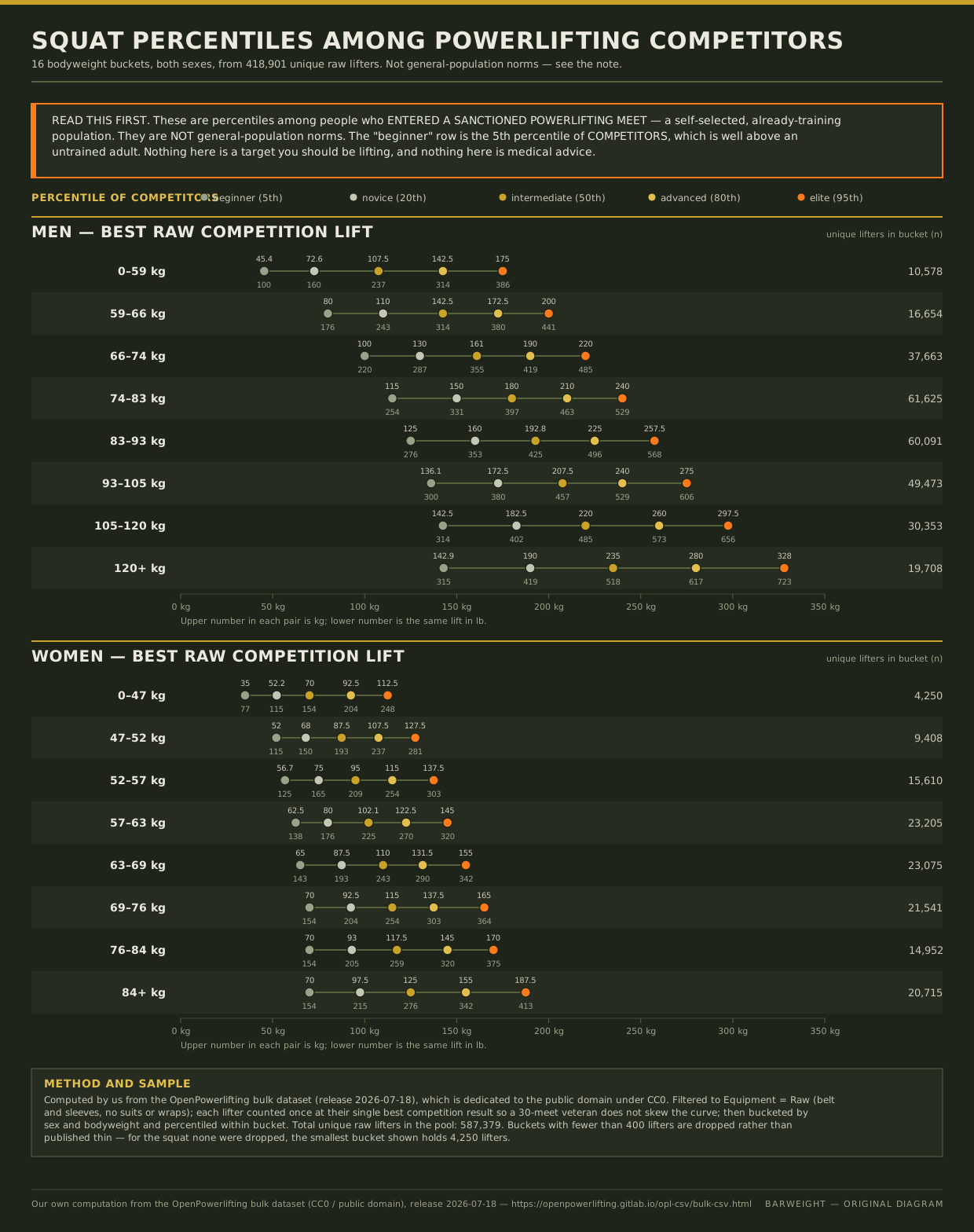
Men — Squat
One-rep competition squat, raw, by bodyweight class. Percentiles among competing lifters — see the caveat. Form and setup for this lift: squat technique.
| Bodyweight | Lifters | beginner5th pct | novice20th pct | intermediate50th pct | advanced80th pct | elite95th pct |
|---|---|---|---|---|---|---|
| up to 59 kg (to 130 lb) | 10,578 | 100 lb45.4 kg | 160 lb72.6 kg | 237 lb107.5 kg | 314 lb142.5 kg | 386 lb175 kg |
| 59–66 kg (130–146 lb) | 16,654 | 176 lb80 kg | 243 lb110 kg | 314 lb142.5 kg | 380 lb172.5 kg | 441 lb200 kg |
| 66–74 kg (146–163 lb) | 37,663 | 220 lb100 kg | 287 lb130 kg | 355 lb161 kg | 419 lb190 kg | 485 lb220 kg |
| 74–83 kg (163–183 lb) | 61,625 | 254 lb115 kg | 331 lb150 kg | 397 lb180 kg | 463 lb210 kg | 529 lb240 kg |
| 83–93 kg (183–205 lb) | 60,091 | 276 lb125 kg | 353 lb160 kg | 425 lb192.8 kg | 496 lb225 kg | 568 lb257.5 kg |
| 93–105 kg (205–231 lb) | 49,473 | 300 lb136.1 kg | 380 lb172.5 kg | 457 lb207.5 kg | 529 lb240 kg | 606 lb275 kg |
| 105–120 kg (231–265 lb) | 30,353 | 314 lb142.5 kg | 402 lb182.5 kg | 485 lb220 kg | 573 lb260 kg | 656 lb297.5 kg |
| 120+ kg (265+ lb) | 19,708 | 315 lb142.9 kg | 419 lb190 kg | 518 lb235 kg | 617 lb280 kg | 723 lb328 kg |
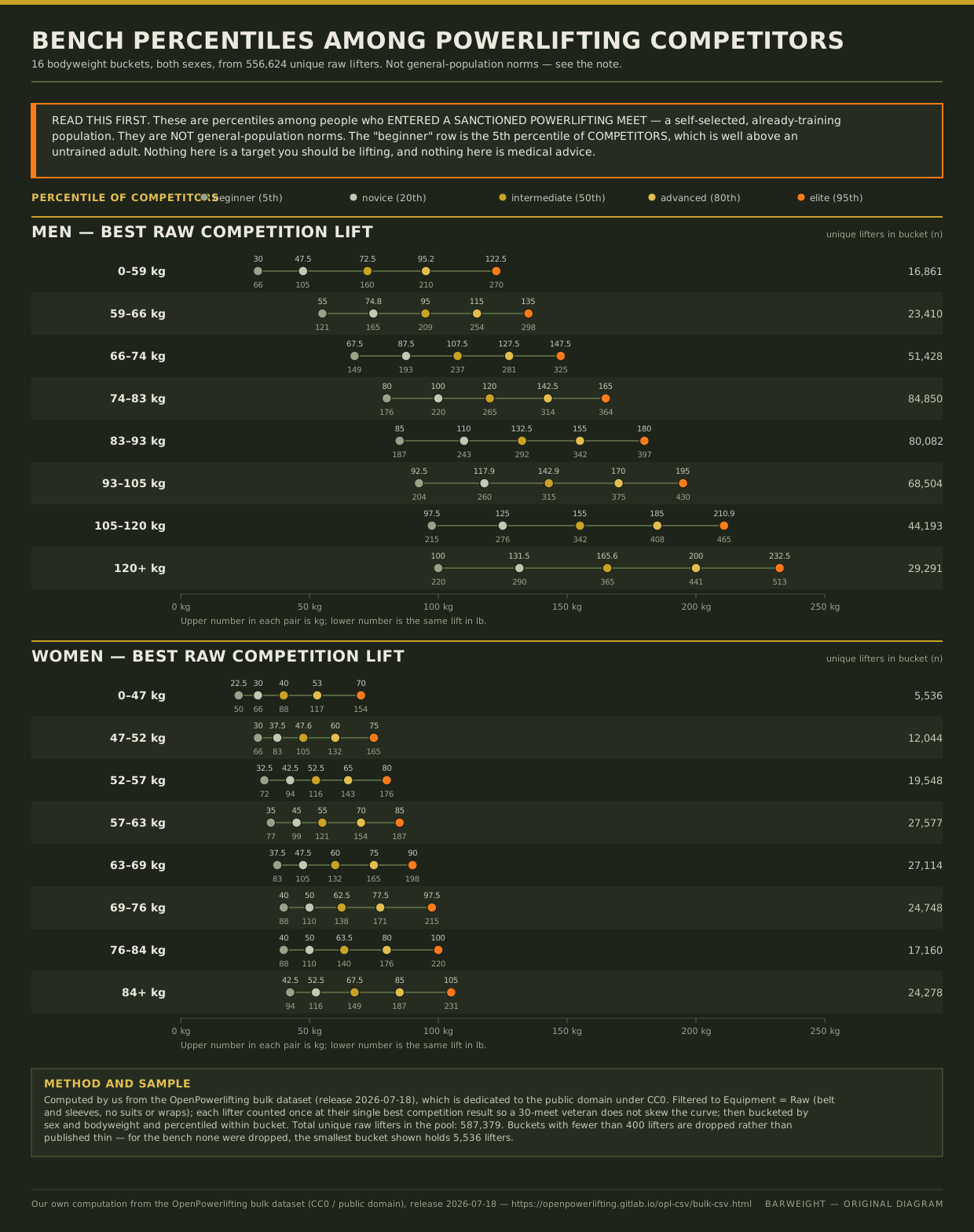
Men — Bench press
One-rep competition bench press, raw, by bodyweight class. Percentiles among competing lifters — see the caveat. Form and setup for this lift: bench press technique.
| Bodyweight | Lifters | beginner5th pct | novice20th pct | intermediate50th pct | advanced80th pct | elite95th pct |
|---|---|---|---|---|---|---|
| up to 59 kg (to 130 lb) | 16,861 | 66 lb30 kg | 105 lb47.5 kg | 160 lb72.5 kg | 210 lb95.2 kg | 270 lb122.5 kg |
| 59–66 kg (130–146 lb) | 23,410 | 121 lb55 kg | 165 lb74.8 kg | 209 lb95 kg | 254 lb115 kg | 298 lb135 kg |
| 66–74 kg (146–163 lb) | 51,428 | 149 lb67.5 kg | 193 lb87.5 kg | 237 lb107.5 kg | 281 lb127.5 kg | 325 lb147.5 kg |
| 74–83 kg (163–183 lb) | 84,850 | 176 lb80 kg | 220 lb100 kg | 265 lb120 kg | 314 lb142.5 kg | 364 lb165 kg |
| 83–93 kg (183–205 lb) | 80,082 | 187 lb85 kg | 243 lb110 kg | 292 lb132.5 kg | 342 lb155 kg | 397 lb180 kg |
| 93–105 kg (205–231 lb) | 68,504 | 204 lb92.5 kg | 260 lb117.9 kg | 315 lb142.9 kg | 375 lb170 kg | 430 lb195 kg |
| 105–120 kg (231–265 lb) | 44,193 | 215 lb97.5 kg | 276 lb125 kg | 342 lb155 kg | 408 lb185 kg | 465 lb210.9 kg |
| 120+ kg (265+ lb) | 29,291 | 220 lb100 kg | 290 lb131.5 kg | 365 lb165.6 kg | 441 lb200 kg | 513 lb232.5 kg |
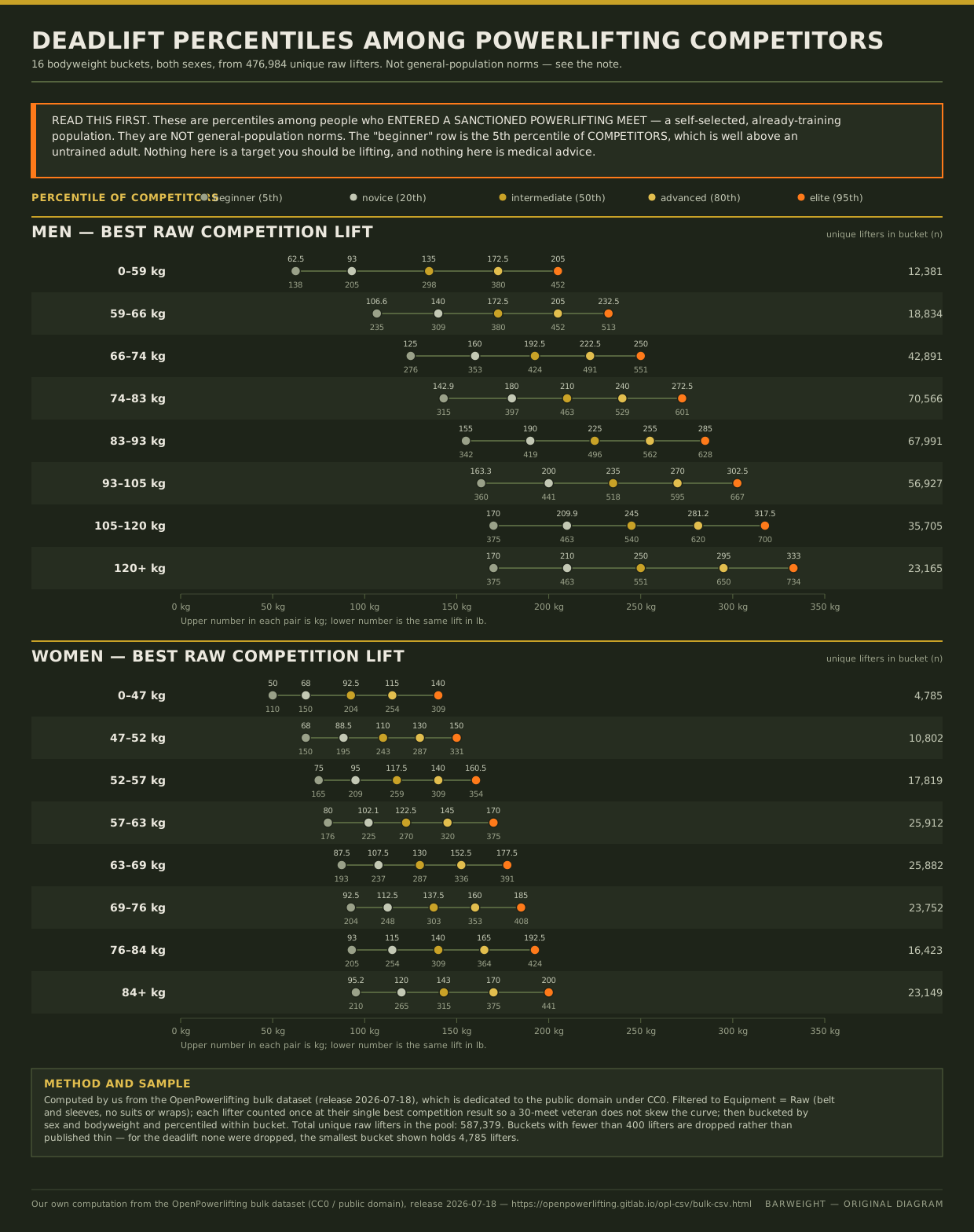
Men — Deadlift
One-rep competition deadlift, raw, by bodyweight class. Percentiles among competing lifters — see the caveat. Form and setup for this lift: deadlift technique.
| Bodyweight | Lifters | beginner5th pct | novice20th pct | intermediate50th pct | advanced80th pct | elite95th pct |
|---|---|---|---|---|---|---|
| up to 59 kg (to 130 lb) | 12,381 | 138 lb62.5 kg | 205 lb93 kg | 298 lb135 kg | 380 lb172.5 kg | 452 lb205 kg |
| 59–66 kg (130–146 lb) | 18,834 | 235 lb106.6 kg | 309 lb140 kg | 380 lb172.5 kg | 452 lb205 kg | 513 lb232.5 kg |
| 66–74 kg (146–163 lb) | 42,891 | 276 lb125 kg | 353 lb160 kg | 424 lb192.5 kg | 491 lb222.5 kg | 551 lb250 kg |
| 74–83 kg (163–183 lb) | 70,566 | 315 lb142.9 kg | 397 lb180 kg | 463 lb210 kg | 529 lb240 kg | 601 lb272.5 kg |
| 83–93 kg (183–205 lb) | 67,991 | 342 lb155 kg | 419 lb190 kg | 496 lb225 kg | 562 lb255 kg | 628 lb285 kg |
| 93–105 kg (205–231 lb) | 56,927 | 360 lb163.3 kg | 441 lb200 kg | 518 lb235 kg | 595 lb270 kg | 667 lb302.5 kg |
| 105–120 kg (231–265 lb) | 35,705 | 375 lb170 kg | 463 lb209.9 kg | 540 lb245 kg | 620 lb281.2 kg | 700 lb317.5 kg |
| 120+ kg (265+ lb) | 23,165 | 375 lb170 kg | 463 lb210 kg | 551 lb250 kg | 650 lb295 kg | 734 lb333 kg |
Women — Squat
One-rep competition squat, raw, by bodyweight class. Percentiles among competing lifters — see the caveat. Form and setup for this lift: squat technique.
| Bodyweight | Lifters | beginner5th pct | novice20th pct | intermediate50th pct | advanced80th pct | elite95th pct |
|---|---|---|---|---|---|---|
| up to 47 kg (to 104 lb) | 4,250 | 77 lb35 kg | 115 lb52.2 kg | 154 lb70 kg | 204 lb92.5 kg | 248 lb112.5 kg |
| 47–52 kg (104–115 lb) | 9,408 | 115 lb52 kg | 150 lb68 kg | 193 lb87.5 kg | 237 lb107.5 kg | 281 lb127.5 kg |
| 52–57 kg (115–126 lb) | 15,610 | 125 lb56.7 kg | 165 lb75 kg | 209 lb95 kg | 254 lb115 kg | 303 lb137.5 kg |
| 57–63 kg (126–139 lb) | 23,205 | 138 lb62.5 kg | 176 lb80 kg | 225 lb102.1 kg | 270 lb122.5 kg | 320 lb145 kg |
| 63–69 kg (139–152 lb) | 23,075 | 143 lb65 kg | 193 lb87.5 kg | 243 lb110 kg | 290 lb131.5 kg | 342 lb155 kg |
| 69–76 kg (152–168 lb) | 21,541 | 154 lb70 kg | 204 lb92.5 kg | 254 lb115 kg | 303 lb137.5 kg | 364 lb165 kg |
| 76–84 kg (168–185 lb) | 14,952 | 154 lb70 kg | 205 lb93 kg | 259 lb117.5 kg | 320 lb145 kg | 375 lb170 kg |
| 84+ kg (185+ lb) | 20,715 | 154 lb70 kg | 215 lb97.5 kg | 276 lb125 kg | 342 lb155 kg | 413 lb187.5 kg |
Women — Bench press
One-rep competition bench press, raw, by bodyweight class. Percentiles among competing lifters — see the caveat. Form and setup for this lift: bench press technique.
| Bodyweight | Lifters | beginner5th pct | novice20th pct | intermediate50th pct | advanced80th pct | elite95th pct |
|---|---|---|---|---|---|---|
| up to 47 kg (to 104 lb) | 5,536 | 50 lb22.5 kg | 66 lb30 kg | 88 lb40 kg | 117 lb53 kg | 154 lb70 kg |
| 47–52 kg (104–115 lb) | 12,044 | 66 lb30 kg | 83 lb37.5 kg | 105 lb47.6 kg | 132 lb60 kg | 165 lb75 kg |
| 52–57 kg (115–126 lb) | 19,548 | 72 lb32.5 kg | 94 lb42.5 kg | 116 lb52.5 kg | 143 lb65 kg | 176 lb80 kg |
| 57–63 kg (126–139 lb) | 27,577 | 77 lb35 kg | 99 lb45 kg | 121 lb55 kg | 154 lb70 kg | 187 lb85 kg |
| 63–69 kg (139–152 lb) | 27,114 | 83 lb37.5 kg | 105 lb47.5 kg | 132 lb60 kg | 165 lb75 kg | 198 lb90 kg |
| 69–76 kg (152–168 lb) | 24,748 | 88 lb40 kg | 110 lb50 kg | 138 lb62.5 kg | 171 lb77.5 kg | 215 lb97.5 kg |
| 76–84 kg (168–185 lb) | 17,160 | 88 lb40 kg | 110 lb50 kg | 140 lb63.5 kg | 176 lb80 kg | 220 lb100 kg |
| 84+ kg (185+ lb) | 24,278 | 94 lb42.5 kg | 116 lb52.5 kg | 149 lb67.5 kg | 187 lb85 kg | 231 lb105 kg |
Women — Deadlift
One-rep competition deadlift, raw, by bodyweight class. Percentiles among competing lifters — see the caveat. Form and setup for this lift: deadlift technique.
| Bodyweight | Lifters | beginner5th pct | novice20th pct | intermediate50th pct | advanced80th pct | elite95th pct |
|---|---|---|---|---|---|---|
| up to 47 kg (to 104 lb) | 4,785 | 110 lb50 kg | 150 lb68 kg | 204 lb92.5 kg | 254 lb115 kg | 309 lb140 kg |
| 47–52 kg (104–115 lb) | 10,802 | 150 lb68 kg | 195 lb88.5 kg | 243 lb110 kg | 287 lb130 kg | 331 lb150 kg |
| 52–57 kg (115–126 lb) | 17,819 | 165 lb75 kg | 209 lb95 kg | 259 lb117.5 kg | 309 lb140 kg | 354 lb160.5 kg |
| 57–63 kg (126–139 lb) | 25,912 | 176 lb80 kg | 225 lb102.1 kg | 270 lb122.5 kg | 320 lb145 kg | 375 lb170 kg |
| 63–69 kg (139–152 lb) | 25,882 | 193 lb87.5 kg | 237 lb107.5 kg | 287 lb130 kg | 336 lb152.5 kg | 391 lb177.5 kg |
| 69–76 kg (152–168 lb) | 23,752 | 204 lb92.5 kg | 248 lb112.5 kg | 303 lb137.5 kg | 353 lb160 kg | 408 lb185 kg |
| 76–84 kg (168–185 lb) | 16,423 | 205 lb93 kg | 254 lb115 kg | 309 lb140 kg | 364 lb165 kg | 424 lb192.5 kg |
| 84+ kg (185+ lb) | 23,149 | 210 lb95.2 kg | 265 lb120 kg | 315 lb143 kg | 375 lb170 kg | 441 lb200 kg |
The whole distribution, drawn
Every bodyweight class, both sexes, all five percentiles, in kilos and pounds together. These are shareable — and each one carries the caveat printed on the image itself, because a chart gets passed around long after it has left the page it came from.
Lifts with no standards on this site, on purpose
There is no standards table here for the overhead press, the barbell row, the curl, the hip thrust, the front squat or the Romanian deadlift. That is 6 lifts left deliberately blank.
The reason is simple. Sanctioned meets only contest the squat, bench press and deadlift, so no public-domain population data exists for anything else. The tables you find elsewhere for those lifts trace back to copyrighted books that can be neither reproduced nor verified. Writing our own numbers would be making them up, and a made-up percentile looks exactly like a real one.
What you can do instead: get an honest estimate of your max from a set you actually did with the one-rep max calculator, and track it. Your own trend line is better information than somebody’s invented chart.
Source
OpenPowerlifting bulk CSV, release 2026-07-18, public domain (CC0):
https://openpowerlifting.gitlab.io/opl-csv/bulk-csv.html
The public-domain dedication is documented at the OpenPowerlifting data repository. We compute our own percentiles from the raw results and publish the method above so the figures can be checked rather than taken on trust. Full methodology.
Questions people actually ask
▶Where do these strength standards come from?
They are computed from the OpenPowerlifting bulk dataset, release 2026-07-18, which the OpenPowerlifting project releases into the public domain. We filtered to raw lifters, took each lifter's single best result per lift so nobody counts twice, bucketed by sex and bodyweight, and took percentiles inside each bucket. 587,379 unique raw lifters are in the pool.
▶Are these general population strength standards?
No, and this is the most important thing on the page. Every number here is a percentile among people who entered a sanctioned powerlifting meet. That is a self-selected population that already trains. The "beginner" row is the 5th percentile of competitors, which is well above an untrained adult.
▶What does "elite" mean in this table?
The 95th percentile of competing raw lifters in that sex and bodyweight bucket. It is a description of where a number sits in a distribution, not a rank anyone awarded and not a target.
▶Why is there no standard for overhead press, row or curl?
Because sanctioned meets only contest the squat, bench press and deadlift, so no public-domain population data exists for anything else. The widely circulated tables for other lifts trace back to copyrighted books we can neither reproduce nor verify. Writing our own would be making them up.
▶Why are some bodyweight classes missing?
Any bucket with fewer than 400 lifters was dropped rather than published. A percentile computed from a thin sample looks just as authoritative as a good one and is worth much less.
▶Is squat, bench and deadlift measured with equipment?
These are raw results only — belt and sleeves permitted, no supportive suits and no knee wraps. Equipped lifting produces substantially different numbers and is excluded here.